
Boltzmann Brains: Complete with a Memory of having Existed in our...
Completely formed brain that emerges from exceedingly uncommon random fluctuations out of thermodynamic equilibrium, complete with memories of fully human life in our universe. Learn more

Michael Faraday: A child Born in Poverty Became a Great Scientist
Who was Michael Faraday, one of the most outstanding scientists in the world of science, whose inventions made Newton, Maxwell, and Einstein so great?

Joseph Henry: Who led the Creation of Electromagnets
Joseph Henry Who led to the creation of electromagnets, the discovery of self-inductance, and the mutual inductance of Michael Faraday.

The Most Fascinating Photos of an Inventor and a Scientist
Most Fascinating Pictures of an Inventor and a Scientist who was a Pioneer in Electrical and Mechanical Engineering, as well as a great Futurist.
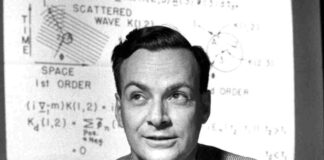
Richard Feynman: An Influential popular theoretical scientist of the 20th century
Richard Feynman was a Theoretical Physicist, after World War II Feynman is considered the most brilliant in physics and Richard Feynman: an influential popular theoretical scientist of the 20th century.

H.G. Wells: Father of Science Fiction
Herbert George Wells, Why he is called the father of science fiction and Shakespeare of science fiction? Know in this article of his biography.

What are Conspiracy Theories and Why do we believe in them?
What are conspiracy theories? Why do we believe it? Three categories of reasons for believing in conspiracy theories according to psychology.
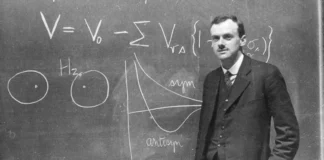
Paul Dirac: The Engineer Who Turned Physicist
Do you know Paul Dirac, an engineer who turned physicist, his works revolutionized our understanding of the fundamental forces governing the universe.

HG Wells: Written Imaginations Became True Events
HG Wells, whose written imaginations became true events. The scenes depicted in the Wells film The Shape of Things to Come actually came true in World War II.
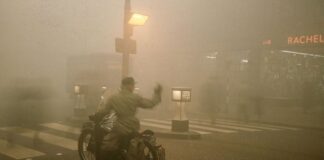
Remembering the Deadly Great Smog of London
A severe environmental disaster and a period of prolonged air pollution swallowed up the city, causing widespread illness and death.

Carl Sagan’s Quotes on Nature, Earth, and Future
We have been on the banks of the cosmic ocean for a long time. We are ready to set sail for the stars. Here are Carl Sagan's quotes that will always inspire humanity and science.

Augmented Reality: Technologically Augmented Version of the Real World
A technologically augmented version of the real world that is created through the use of digital visual elements, music, or other sensory stimulations.
POPULAR







Give Monetary Contribution
Support the UNREVEALED FILES by making a small monetary contribution. Your contribution will help us run this platform. You can contribute instantly by clicking the below link.