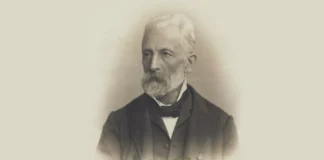
Adolf Bastian: The Trailblazer of Ethnology
Life, works, and enduring legacy of Adolf Bastian who stands as great figure in the field of anthropology and ethnology.

Michael Faraday: A child Born in Poverty Became a Great Scientist
Who was Michael Faraday, one of the most outstanding scientists in the world of science, whose inventions made Newton, Maxwell, and Einstein so great?
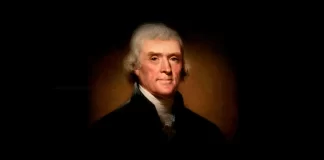
Thomas Jefferson: Architect of American Democracy
Life of Thomas Jefferson the third President of the United States, his achievements, and his enduring contributions to American democracy.
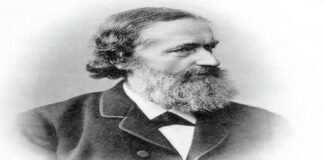
How Gustav Kirchhoff Unlocked the Secrets Hidden in Starlight
In 1859, Gustav Kirchhoff made a discovery that transformed astronomy and physics. Learn how black-body radiation revealed the hidden secrets of stars and paved the way for modern science.
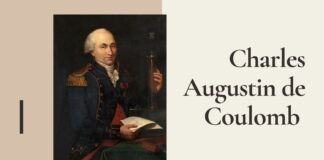
Charles Augustin de Coulomb: French military Engineer and Physicist
Read the full biography of Charles Augustin de Coulomb, a French physicist known for discoveries such as Coulomb's Law, electrostatic force of attraction, and repulsion.
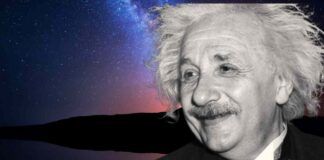
What lessons can we learn from Albert Einstein?
we can help us remain more creative in our work, How to stay engaged and think creatively. The following are what we should learn from Albert Einstein.
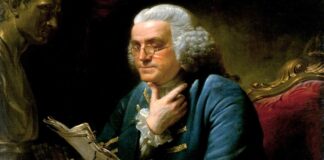
Benjamin Franklin: A Brilliant Inventor, Statesman, and Scientist
Know how Benjamin Franklin was a multi-talented American inventor, civic activist, statesman, soldier, and diplomat. He was also one of the most important Founding Fathers of the United States.
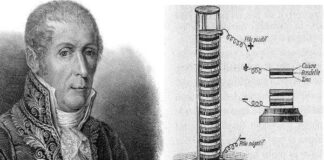
Alessandro Volta: Pioneer of Electricity and Power
Biography of Alessandro Volta. Physicist and chemist who is credited as inventing the electrical battery and the finder of methane.

Carl Sagan’s Quotes on Nature, Earth, and Future
We have been on the banks of the cosmic ocean for a long time. We are ready to set sail for the stars. Here are Carl Sagan's quotes that will always inspire humanity and science.
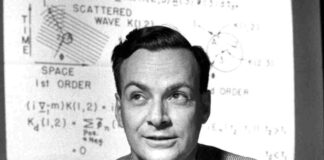
Richard Feynman: An Influential popular theoretical scientist of the 20th century
Richard Feynman was a Theoretical Physicist, after World War II Feynman is considered the most brilliant in physics and Richard Feynman: an influential popular theoretical scientist of the 20th century.

Why ‘Be Alone’ Isn’t the Ultimate Answer: The Hidden Costs of...
Everyone tells you to 'be alone' to grow, but is solitude really the key to happiness and success? Discover what science and Gen Z data reveal about the hidden risks of isolation.

Vote Vapasi Dhan Vapasi: Solution for all Problems in India
With the main objective of providing solutions to India's socio-political challenges, this Vote Vapasi Dhan Vapasi book is a must-read book for all book enthusiasts.
POPULAR







Give Monetary Contribution
Support the UNREVEALED FILES by making a small monetary contribution. Your contribution will help us run this platform. You can contribute instantly by clicking the below link.